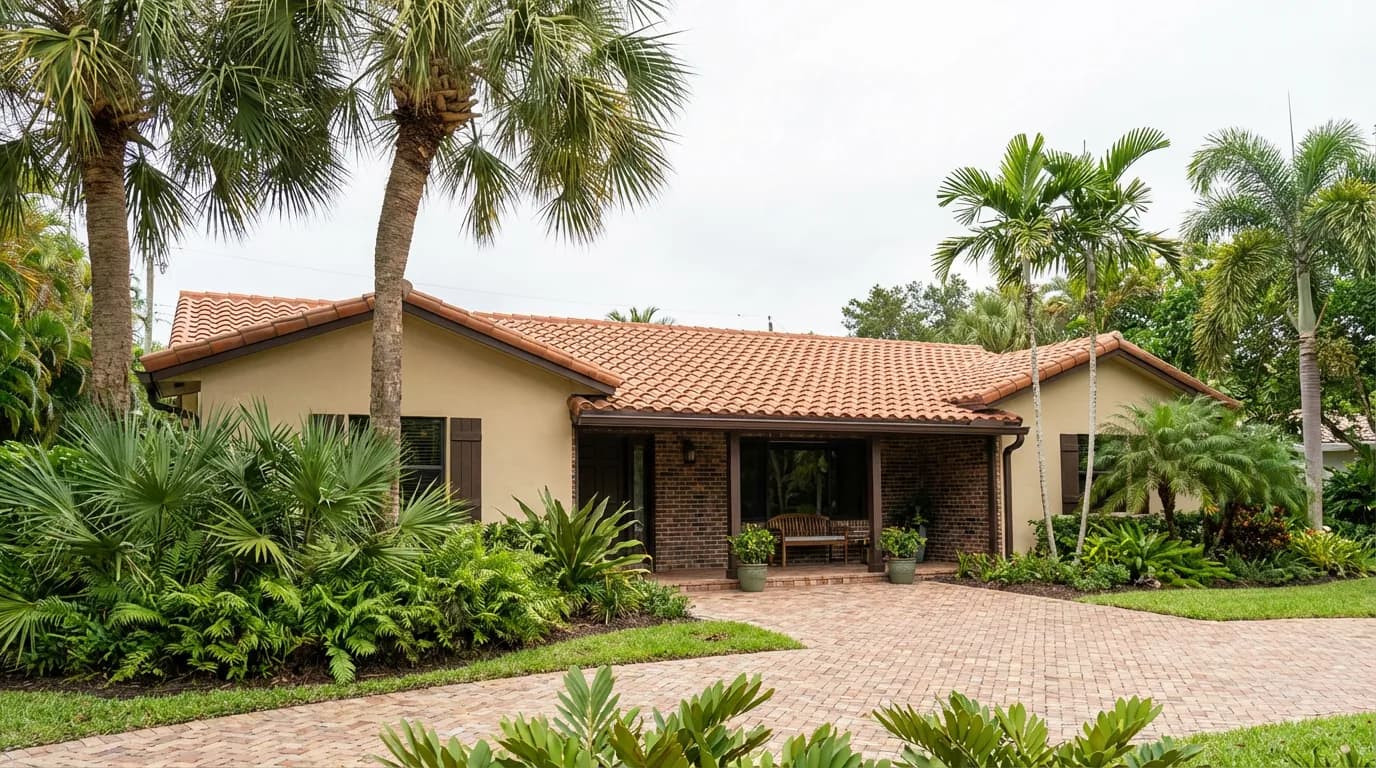
Roofing
What Are the Most Durable Roofing Materials? A South Florida Roofing Guide
Not all roofing materials are built for South Florida's brutal combination of hurricanes, UV radiation, and salt air. Here's what actually lasts — and what the Florida Building Code requires.
Reviewed by Aldo Dellamano, Licensed General Contractor · Last updated April 2026
Introduction
our roof is the single most important barrier between your family and South Florida's weather — and South Florida's weather does not play fair. Between June and November, the Atlantic hurricane season brings sustained winds that can exceed 150 mph. The rest of the year, relentless UV radiation, daily thunderstorms, and corrosive salt air steadily break down materials that perform just fine in other parts of the country.
If you're a homeowner in Miami, Coral Gables, Homestead, or anywhere else in Miami-Dade or Broward County, choosing the wrong roofing material isn't just expensive — it can be dangerous. org) demands so you can make a fully informed decision before signing a contract or pulling a permit.
Got questions about your roof or bathroom?
Get a free, no-pressure estimate from Haven's licensed Florida team.
Roofing materials installed in Miami-Dade and Broward counties must comply with the Florida Building Code High-Velocity Hurricane Zone (HVHZ) standards, which require a minimum 175 mph wind uplift resistance, six-nail fastening patterns, and Miami-Dade Notice of Acceptance (NOA) approval — the most stringent residential roofing code in the United States. Only products that have passed rigorous large-missile impact tests and pressure cycling tests earn an NOA number, which your contractor must reference on the permit application. This is not optional, and it dramatically narrows the field of materials that are actually legal to install on your home.
The HVHZ distinction is why South Florida homeowners cannot simply copy what a neighbor in Orlando or Atlanta is doing. A 3-tab asphalt shingle that is perfectly acceptable in Central Florida may be prohibited in Miami-Dade without a specific NOA, while a standing-seam metal panel rated for 180 mph may sail through the approval process without issue. Understanding this regulatory backdrop is the first step toward choosing a material that will last — and that will be covered by insurance if a storm hits.
“Only products that have passed rigorous large-missile impact tests and pressure cycling tests earn an NOA number, which your contractor must reference on the permit application.”
More than three decades of South Florida construction experience sit behind every project Haven takes on, and that field knowledge shapes the material recommendations below. Our roofing services team has seen firsthand which products hold up through back-to-back hurricane seasons and which ones require costly callbacks within five years.
175+ mph
HVHZ Wind Uplift Requirement
Minimum for Miami-Dade & Broward NOA approval
50+ years
Metal Roof Lifespan
When properly installed with HVHZ-rated fasteners
40-50 years
Concrete Tile Lifespan
South Florida's most popular premium roofing material
15-20 years
Asphalt Shingle Lifespan in Florida
vs. 25-30 years in cooler, drier climates
Free Roofing Estimate
Ready to talk through your roof?
Tell us about your home and project. We'll get back to you within 24 hours with a free, no-obligation estimate from our licensed Florida roofing crew.
- Licensed & Insured FL Contractor
- Local crew, no subcontractors
- Free, no-obligation estimate
- We respond within 24 hours
4.9 / 5 from 500+ homeowners
Get Your Free Estimate
No obligation. We'll respond within 24 hours.
Common Questions
Frequently Asked Questions
From the Blog
Continue Reading
Roofing
What Is Modified Bitumen Roofing? A South Florida Homeowner's Complete Guide
Learn what modified bitumen roofing is, how it performs in South Florida's heat and hurricanes, and whether it's right for your flat or low-slope roof.
Read articleRoofing
How to Install Roll Roofing: A Complete South Florida Roofing Guide
Learn how to install roll roofing on South Florida homes — materials, step-by-step process, HVHZ code tips, and when to call a licensed pro instead.
Read articleRoofing
What Is the Best Roofing Material for South Florida Homes?
Tile, metal, or shingles? Discover what is the best roofing material for South Florida's heat, humidity, and hurricanes — with costs and lifespans.
Read article